Last opinions of the Committee
Opinion by letter No 22 - Potential abolition of anonymity regarding the identity of the donor in future sperm and egg donations
Opinion by letter No 22 of 20 April 2026 concerning the possible abolition of anonymity of the donor’s identity in future sperm and egg donations
In this opinion by letter, the Committee analyses the issues associated with a possible reform of the current system, including the possibility of introducing a general right of access to the identity of the gamete donor. The Committee emphasizes the relevance of the ongoing reflection and the need to adapt the legal framework, notably in light of recent developments in case law and the growing recognition of the right to know one’s origins. However, it points out that a balance must be maintained between the rights and interests involved, taking into account the implications for donor children, intended parents, donors, and society as a whole.
Opinion by letter No 21 - The reimbursement of additional IVF cycles in the context of PGT‑M
Opinion by letter No 21 of 12 March 2026 on the reimbursement of additional IVF cycles in the context of PGT‑M
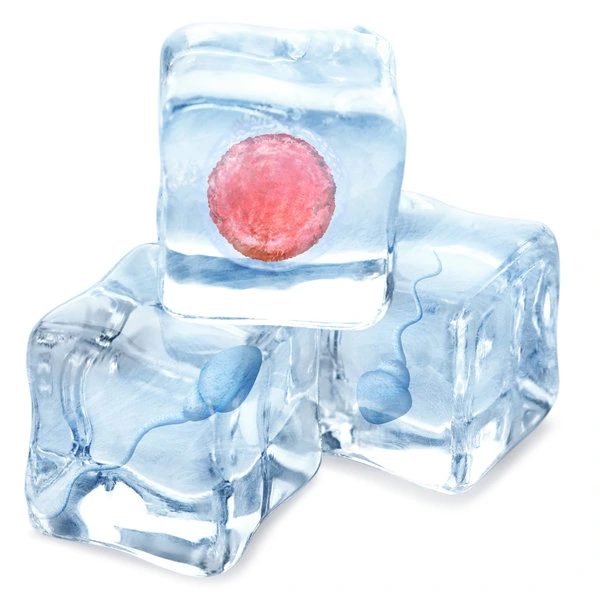
This opinion by letter addresses the question of whether it is appropriate to reimburse additional in vitro fertilisation (IVF) cycles when couples who are carriers of a hereditary genetic disorder use pre‑implantation genetic testing (PGT‑M) in order to avoid transmitting this condition to their future child. In Belgium, reimbursement is currently limited to six IVF cycles, regardless of the reason for the treatment. The Committee examines whether this rule leads, in the context of PGT‑M, to an equitable situation, given that certain embryos cannot be transferred because of an identified genetic risk. The opinion analyses this issue in the light of available scientific data and ethical considerations, in particular with regard to equality between patients, equity of outcomes, social justice and the responsible use of healthcare resources. It also highlights the possible alternatives that these couples may be confronted with. The Committee does not take a decision on reimbursement, but sets out the ethical issues that are relevant for political decision‑making bodies.

Opinion No 90 - Funerary destination of foetuses stillborn at an early stage of pregnancy
Opinion No 90 of 8 December 2025 on the funerary destination of foetuses stillborn at an early stage of pregnancy
This opinion addresses the funerary destination of stillborn foetuses with a gestational age of less than 180 days, in a context in which practices and parental expectations have evolved significantly. It sets out the medical, legal and ethical framework, as well as the differences between the regional regulations in Belgium on the disposal of human remains. The Committee emphasises that the applicable legislation does not allow the foetus’s remains to be handed over to the parents for burial in their private garden. From an ethical perspective, several principles are taken into account: autonomy, respect for human dignity, the general interest, precaution, care, solidarity and the relational dimension.
After analysing the possible answers, the Committee advocates a systematic refusal of such requests, on the grounds of the general interest, the coherence of the regulatory framework, the risks to public health and the social implications, and in order to safeguard a public framework that ensures a dignified and equal treatment of human remains.

Opinion No 89 – Euthanasia based on an advance directive for conscious persons whose ability to decide for themselves and to express their will is irreversibly impaired
Opinion No 89 of November 10 2025 concerning euthanasia based on an advance directive for conscious persons whose ability to decide for themselves and to express their will is irreversibly impaired.

Opinion No 88 - Communication of the carrier status in the context of neonatal screening in the Wallonia-Brussels Federation
Opinion No 88 of 10. November 2025 about the communication of the carrier status in the context of neonatal screening in the Wallonia-Brussels Federation.
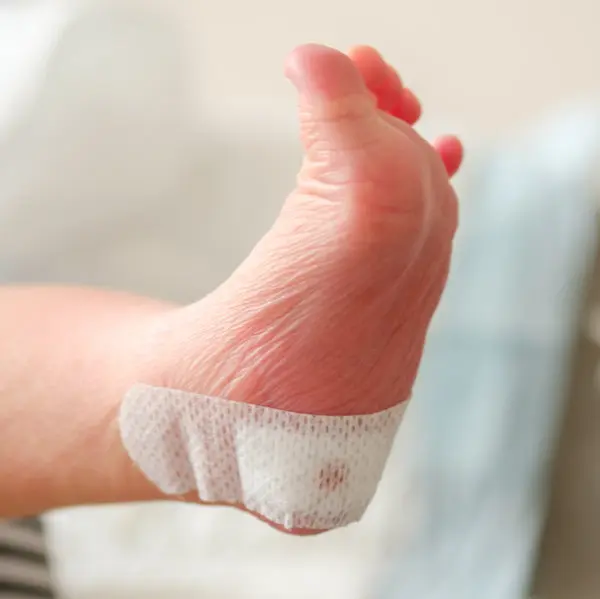
Neonatal screening aims to detect serious but treatable diseases early in order to prevent irreversible harm in newborns. In the Wallonia Brussels Federation, the inclusion of sickle cell disease in the screening programme has raised the question of whether parents should be informed when screening identifies a child as a genetic carrier without being affected by the disease.
The Belgian Advisory Committee on Bioethics examined this issue from medical, legal, ethical, and societal perspectives. While carrier status is not a disease, it may have clinical relevance in certain situations, contribute to family prevention, and inform future reproductive choices. However, automatic or poorly framed disclosure may cause anxiety, misunderstanding, stigmatisation, or undermine the child’s right to an open future.
The Committee recommends recognising a right of access to information on carrier status, without imposing systematic disclosure. Parents should be informed of the existence of this information and the possibility to access it. A progressive, supported, and harmonised approach is advocated, based on secure data storage, contextualised communication, and strengthened access to genetic counselling.
Opinion No 87 – Municipal Body Disposal Policy for Persons Considered Destitute and/or Socially Isolated
On 22 April 2025, the Belgian Advisory Committee on Bioethics publishes its Opinion No 87 concerning the burial policy by municipalities for persons considered indigent and/or socially isolated.

Opinion by letter No 20 – New Forms of Body Disposal
On 25 June 2025, the Belgian Advisory Committee on Bioethics publishes its Opinion by letter No 20 on new forms of body disposal.

Addendum to Opinion by Letter No 17 – Relevance of Mentioning Ethnic Origin in Clinical Trial Protocols
On May 6, 2025, the Committee published an addendum to Letter Opinion No. 17 in response to additional questions from Barec regarding the collection of data on ethnic origin.